
Over 85 Years of Experience
Made in Germany
Personal Consultation
Bandsaw Blades for Metal - Precise Cuts for the Highest Demands
Whether structural steel, stainless steel, or aluminum – The right bandsaw blade determines cutting quality, tool life, and cost-effectiveness
The Right Saw Blade
for Your Application
-
For All Common Metals
-
For Solid Material, Profiles, and Tubes
-
Long Tool Life
-
Highest Cutting Quality
-
Custom Dimensions Available
Our Bandsaw Blades
at a Glance
The right saw blade for every application. Choose from our diverse range.
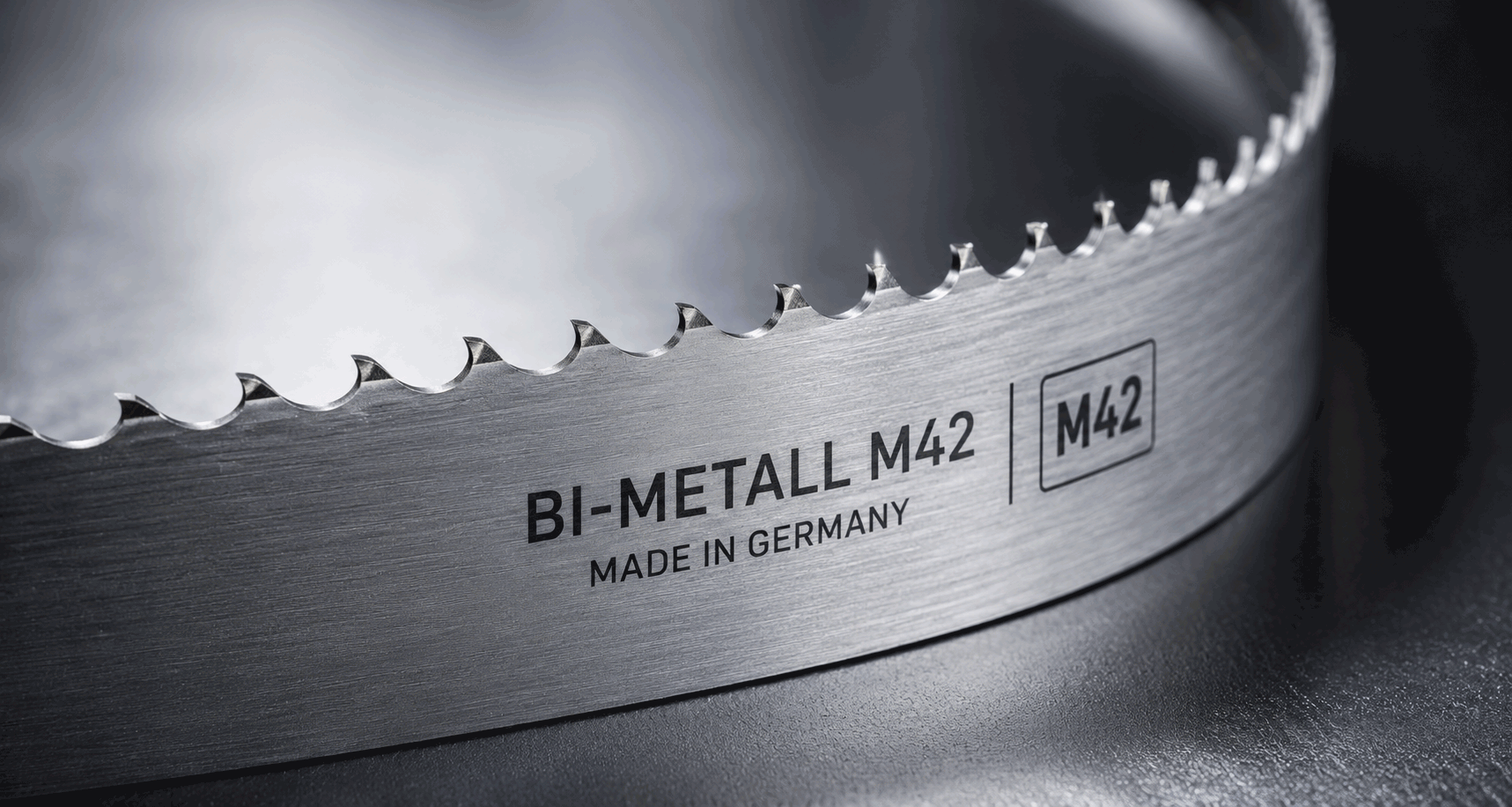
Bimetal M42
Universally applicable for a wide range of applications
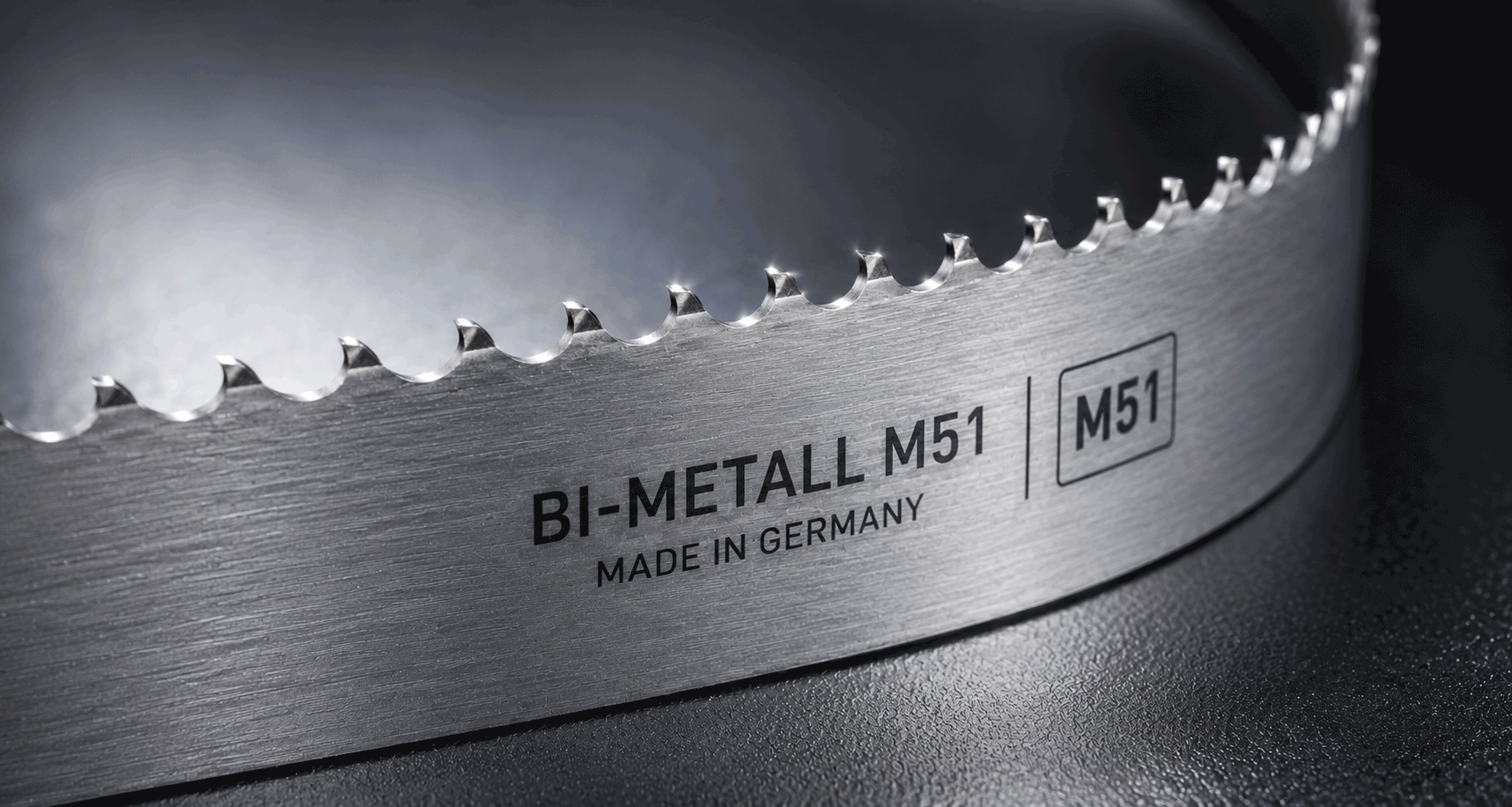
Bimetal M51
For demanding materials and highest loads
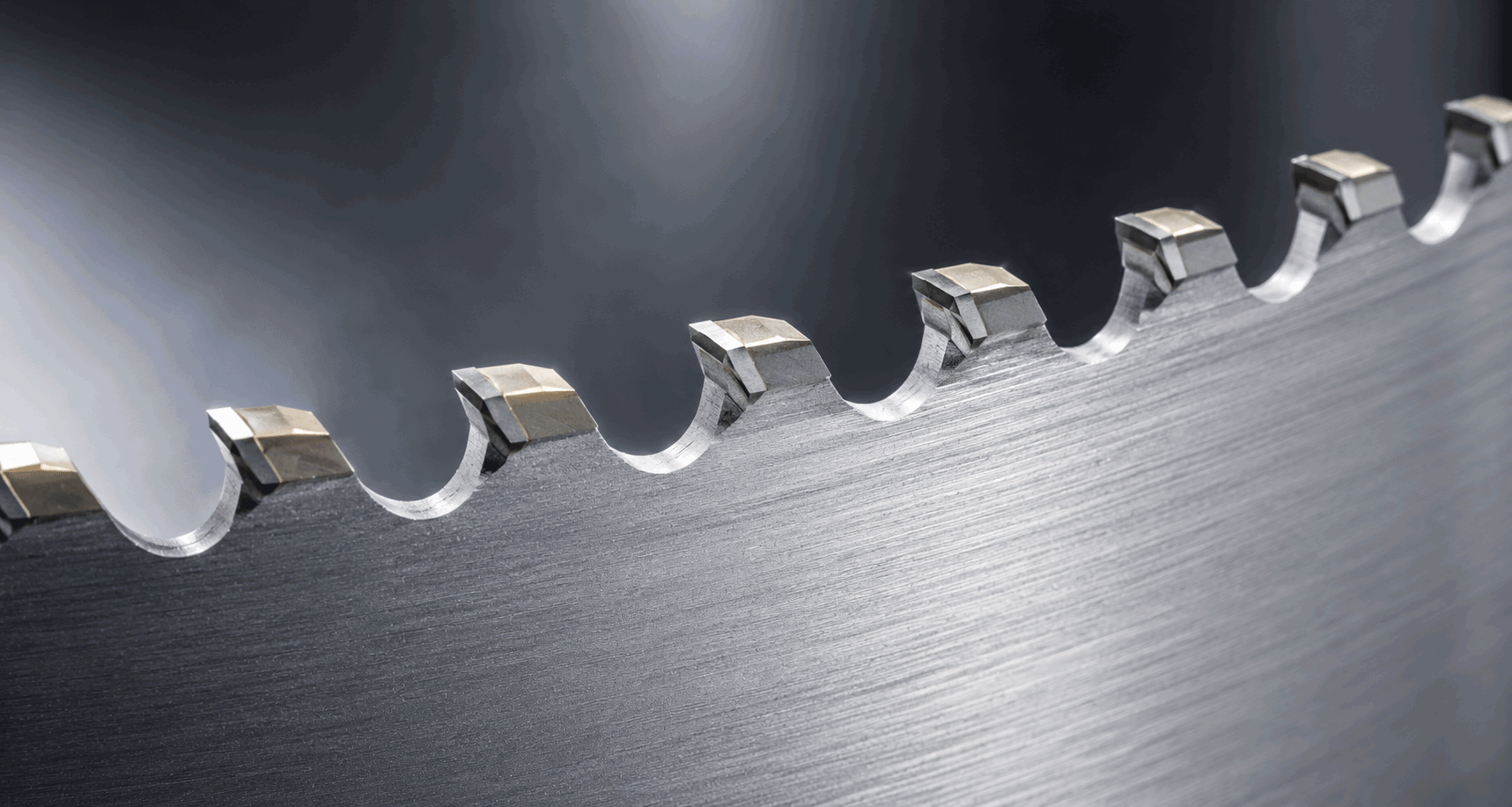
Carbide
For maximum tool life and series production
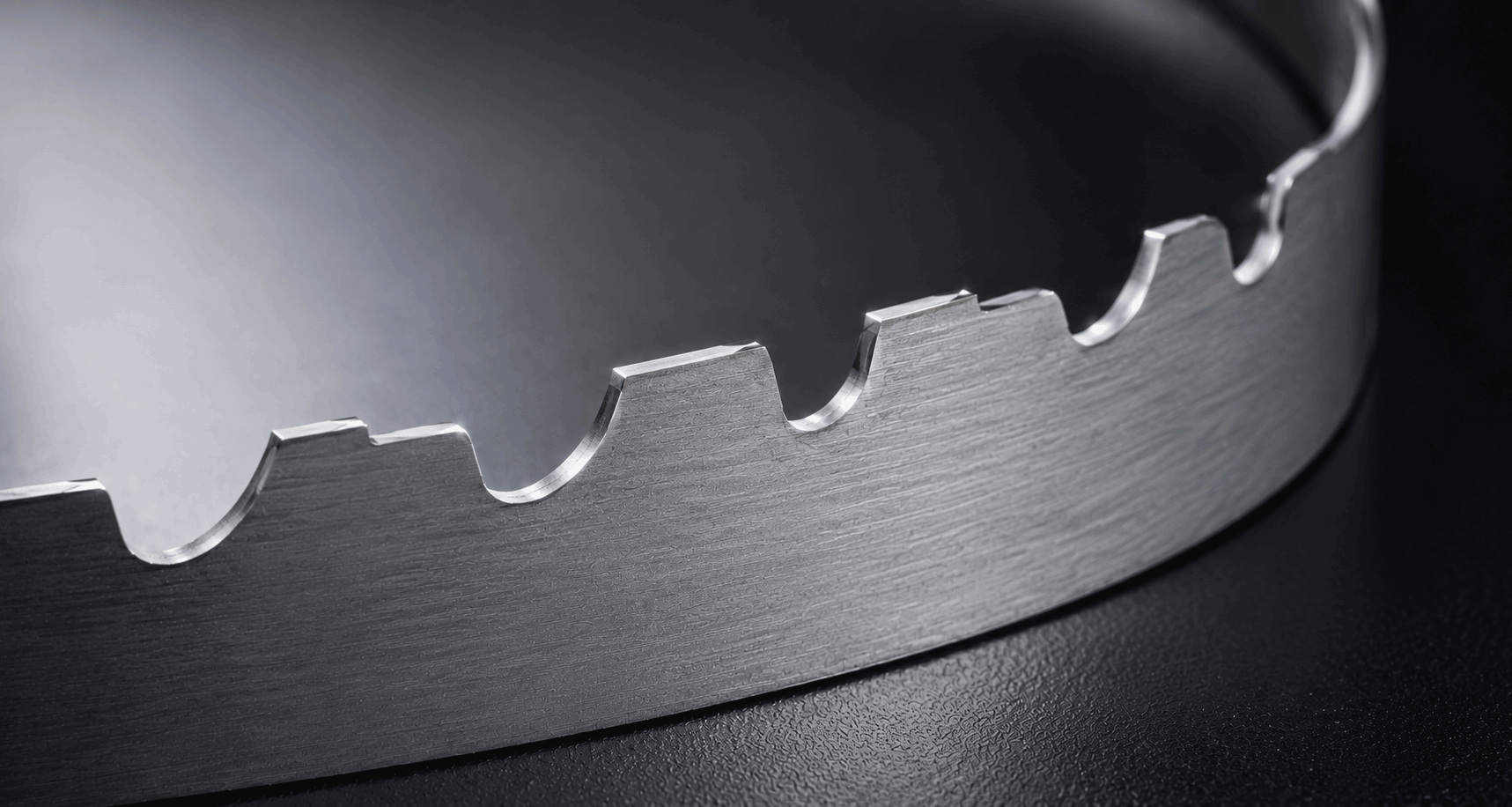
Special Blades
For special applications and particular materials
For which materials are our bandsaw blades suitable

Selecting the Right Tooth Pitch
Tooth pitch has a decisive influence on cutting quality, tool life, and cost-effectiveness
| Workpiece Material | Possible Tooth Pitches |
| Thin-Walled Profiles | 8-12 / 10-14 |
| Tubes | 4-6 / 8-12 |
| Solid Material | 2-3 / 3-4 |
| Stainless Steel | 6-10 / 8-12 |
| Aluminum / Non-Ferrous Metals | 2-3 / 3-4 |
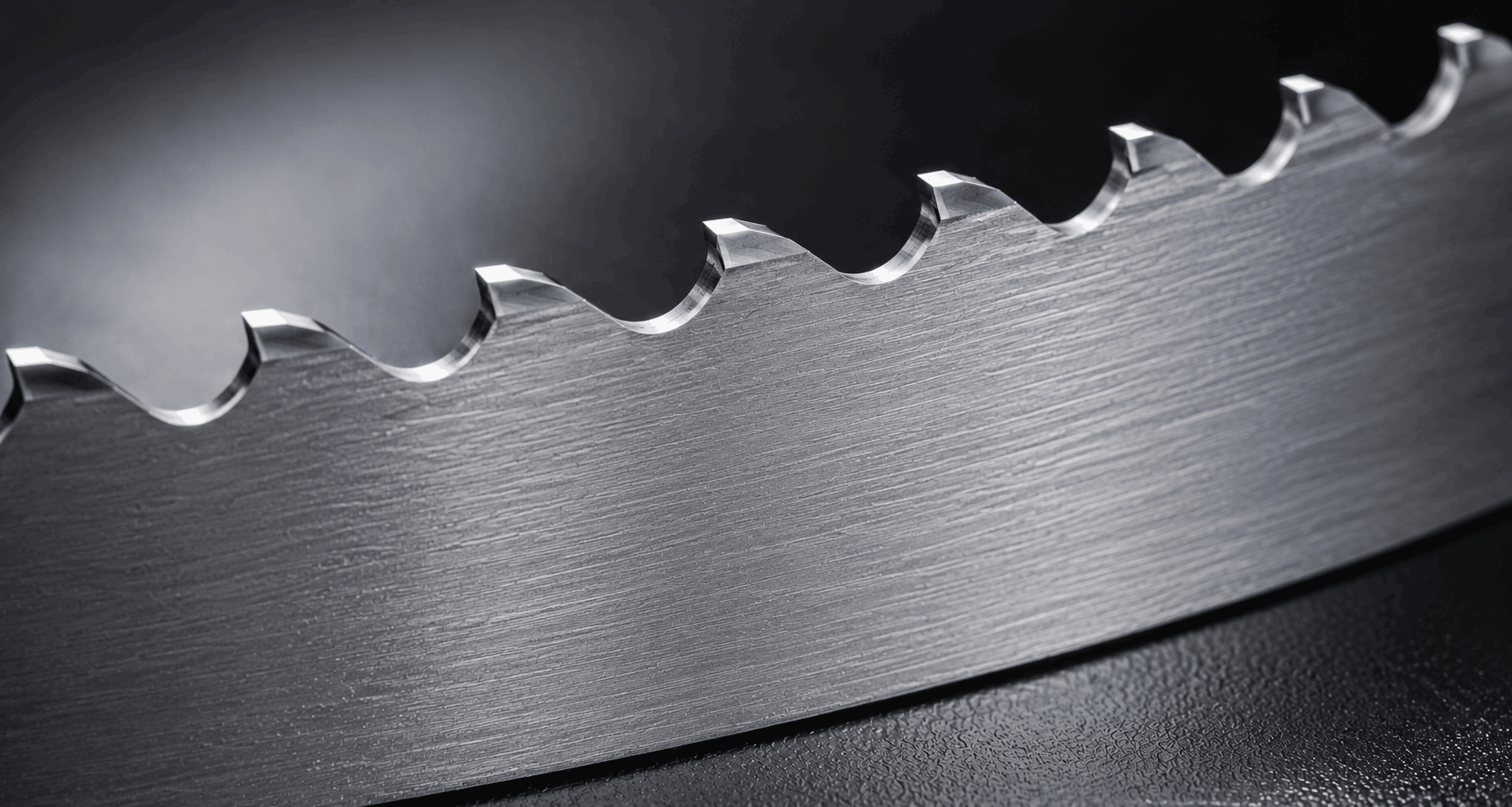
Rule of Thumb
At least 3 teeth should engage in the workpiece simultaneously. This prevents tooth breakage and achieves a clean cut surface
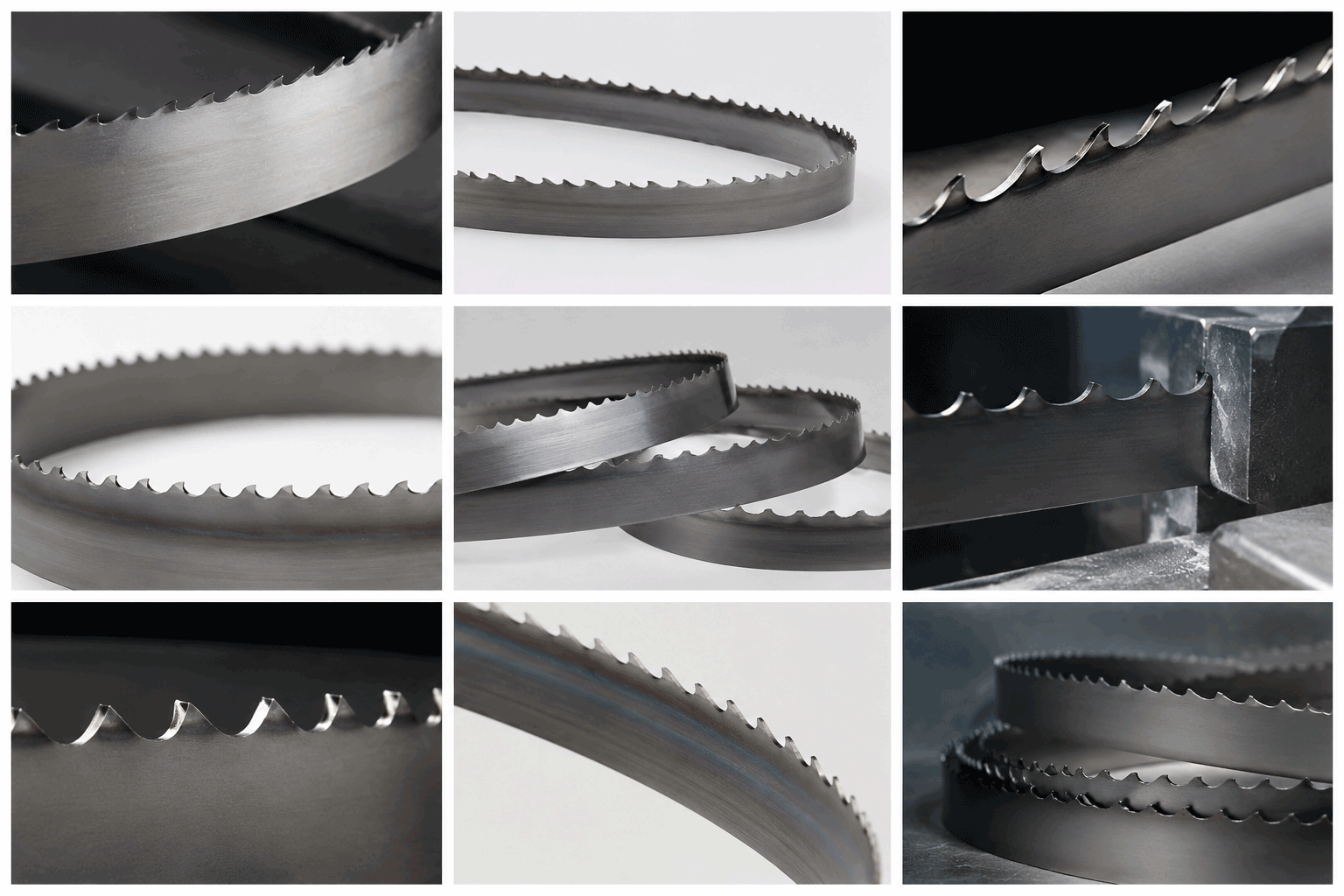
Long Tool Life Through Proper Selection
Not only the saw blade itself determines service life. Optimal coordination of machine, cutting parameters, and cooling is equally important.
Common Sawing Problems
Identify Causes – Find Solutions
Blade Wanders
-
Incorrect Blade Tension
-
Worn Blade Guide
-
Insufficient Cooling
-
Unsuitable Tooth Pitch
-
Dull Saw Blade
Tooth Breakage
-
Tooth Pitch Too Coarse
-
Feed Rate Too High
-
Workpiece Not Clamped Properly
Blade Breaks
-
Incorrect Blade Tension
-
Damaged Blade Guide
-
Blade Not Broken In
Poor Cutting Quality
-
Dull Teeth
-
Incorrect Cutting Parameters
-
Insufficient Cooling
-
Unsuitable Tooth Pitch

